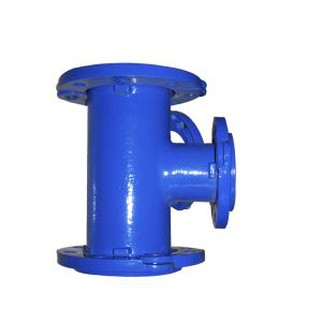
The corrosion resistance of stainless steel flanges depends on the alloying elements contained in the steel. Chromium is the basic element that enables stainless steel flanges to obtain corrosion resistance. When the chromium content in the steel reaches about 1.2%, chromium reacts with the oxygen in the corrosive medium to form a thin oxide film on the steel surface (self-passivation Membrane) to prevent further corrosion of the steel substrate. In addition to chromium, nickel, molybdenum, titanium, niobium, copper, nitrogen and other alloy elements commonly used in stainless steel flanges meet the requirements of stainless steel flange organization and performance for various purposes.
Stainless steel flanges are featured by high-quality drinking water systems, hot water systems and water supply systems that put safety and sanitation first, and are safe, reliable, hygienic, environmentally friendly, and economically applicable. It has been proved by engineering practice at home and abroad to be one of the best, new, energy-saving and environmentally friendly pipes for the water supply system. It is also a very competitive water supply pipe, which will definitely play a role in improving water quality and people's living standards Comparable effects.
The use of stainless steel flanges in the construction industry is very extensive. In this regard, we can see it everywhere on the construction site. It is precisely because of the high temperature resistance of stainless steel flanges that it is invincible in the industry.