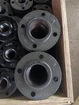
In the 90's, countries within the European Union (EU) attempted to unite the directives for potable water and building materials to one “European Acceptance Scheme”, in an effort to create common requirements for potable water standards. Unfortunately, they never really succeeded, but it was the beginning of the 4MS initiative – a cooperation between Germany, the Netherlands, France and the United Kingdom. On their own initiatives, these countries decided to transpose the requirements and standards of the previous directives into local legal requirements. This has resulted in a positive list of materials, including brass with low lead content.
These new legal material requirements have been postponed up until this year and became effective in the four initiating countries as of 10 April 2017. From this day, only products complying with the 4MS regulations may be sold for water supply purposes in these countries.
The certification agencies of the four countries, DVGW, Kiwa, NF and WRAS, are unlikely to approve products for use with drinking water, unless they comply with the new requirements.
Dec 16, 2021
New Regulations To Protect Our Drinking Water
Previous
Next
You Might Also Like




Send Message